
DJ, Band or Playlist? How to Plan Your Wedding Music
Which music option suits your ceremony, reception and party? Compare a DJ, live band and playlist based on atmosphere, equipment, schedule and effort.
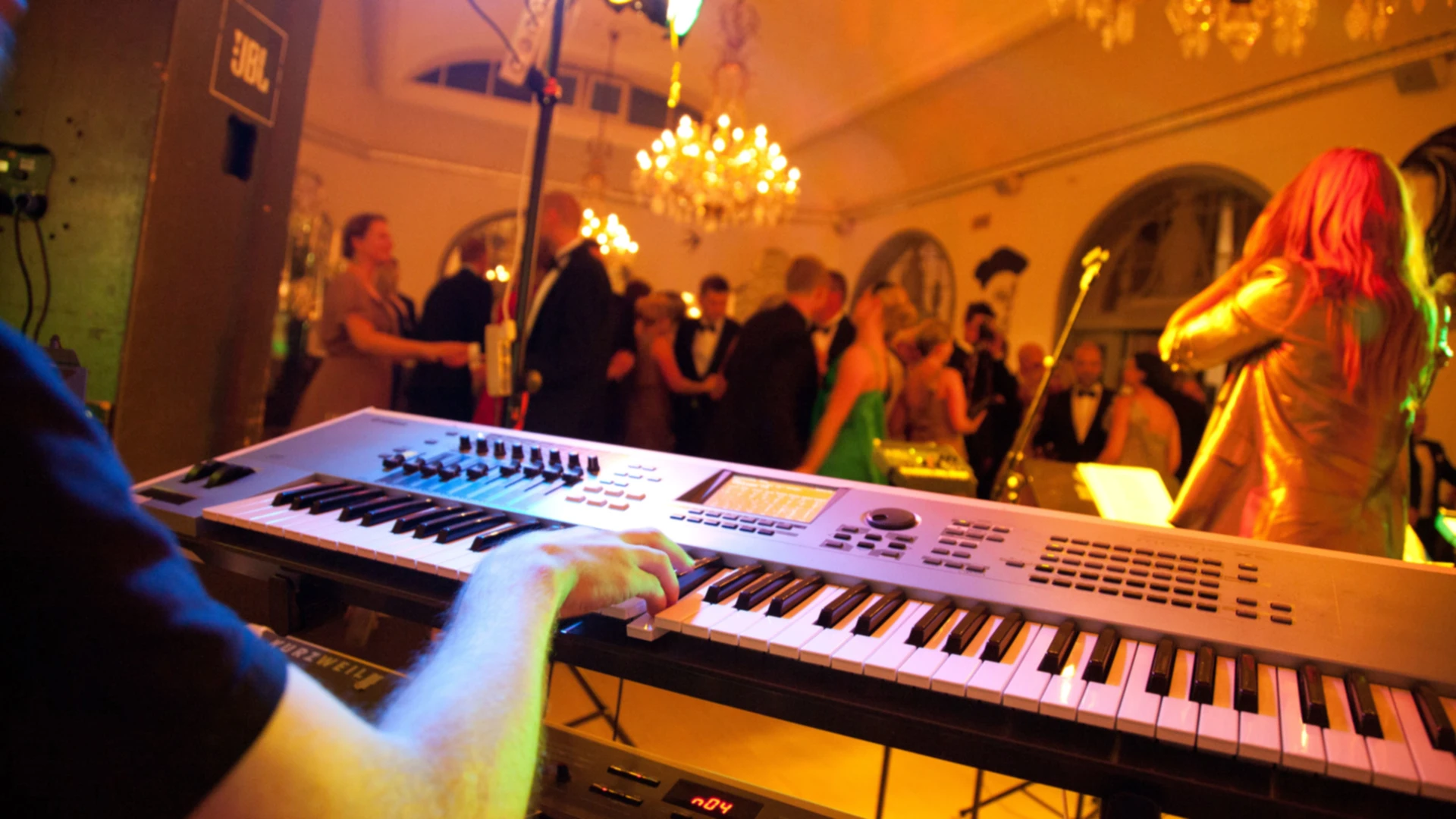
Music accompanies many different moments at a wedding: the entrance, reception, meal and perhaps a long party. You don’t have to rely on one option for every part of the day. The key question is who will be responsible for the atmosphere, volume and transitions at each stage.
This guide helps you compare a DJ, band and your own playlist based on your schedule. Rather than offering a blanket recommendation, it gives you a way to choose, questions to ask about equipment and a short checklist for your contract.
Key takeaways
Break the day into music phases before requesting quotes.
Compare more than just the performance: consider setup, equipment, breaks and overtime too.
Choose a few important musical moments and leave room to respond to the guests.
Check volume limits and technical requirements directly with the venue.
Even a playlist needs someone in charge and a reliable playback setup.
Four music phases, each with a different purpose
Ceremony: The entrance, transitions and clear sound matter most. Decide who gives the cue and how music and microphones will work at either possible ceremony location.
Reception: Music can set the tone for conversation, but shouldn’t drown it out. If you’re using several areas, ask whether sound is needed or even allowed in all of them.
Meal and speeches: Speeches, courses and music shouldn’t get in each other’s way. Someone should let whoever is in charge of the music know in good time when a program item is starting or ending.
Party: The guests’ response becomes more important here. Discuss music styles, songs you’d like to avoid, hosting and how late the party might go.
Compare a DJ, band and playlist fairly
A DJ can switch between music styles flexibly and respond to the dance floor. A live band creates a special atmosphere, but needs stage space, setup time and breaks. A playlist you put together yourselves may be enough for a small, relaxed celebration, as long as someone keeps an eye on the volume, transitions and equipment.
It’s not just about taste. Ask yourselves: How many guests are likely to dance? Are there several rooms? How long will music be playing? Who will respond to speeches or last-minute changes? If you combine a live band and DJ, agree on a clear handover between them.
Questions to ask in your first conversation
What hours does the quote cover, including setup and pack-down?
What equipment does the provider bring, and what does the venue need to supply?
Who provides microphones for the ceremony and speeches?
How are breaks covered, and how long does a changeover take?
Who will make announcements and handle spontaneous music changes?
What do extra hours or a later start cost?
What happens if a performer or essential equipment is unavailable?
Ask for answers based on your specific spaces. A sound system that works in a small hall may not be suitable for a large outdoor area. The venue can also advise you on possible volume limits, end times and power outlets.
Must-plays, no-goes and special moments
A short list of songs for the entrance, exit, first dance and a few personal favourites is more useful than prescribing every moment of the evening. Be just as clear about songs you don’t want to hear. Discuss whether guests can make requests and who gets the final say if needed.
Give your DJ or band an up-to-date schedule with a point of contact and approximate times for speeches, games and dinner. If the order changes, whoever is in charge of the music needs to know. Our guide to planning your wedding-day schedule can help you put these program items together.
If you’re planning to use your own playlist
Test playback, connections, volume and a second available source at the venue in advance. Make the selected music available in a way that works with your equipment and the agreed terms of use. Someone needs to be able to manage the start and end of the music, the microphone and any technical issues—without becoming the evening’s main attraction.
Check with the venue what rules apply to music use and volume, and who will handle any necessary arrangements. Add these items to your task list rather than assuming they’re automatically taken care of with the venue hire.
Music works best when the schedule is clear. Add contact details, cue times and outstanding arrangements to your plan.
Frequently asked questions
Is a playlist enough for a wedding?
It can be for some celebrations, especially when the music is only in the background. For a longer dance party or lots of changes to the program, you’ll need at least one person in charge and tested equipment.
When should we book music for the ceremony and party?
Once your date, venues and general schedule are set, you can check availability and request quotes. How far in advance you need to book depends on the provider, season and what you’re looking for.
How many songs should we choose?
Choose songs for the moments that matter most to you, along with a few favourites. For the rest of the day, sharing your preferred music styles, no-goes and how open you are to guest requests is often more helpful than providing a fixed list.
Conclusion
The right music choice suits your spaces, guests and the different phases of your day. Once the equipment, transitions and responsibilities are clear, a DJ, band or playlist can each bring out their strengths.